








Clarity Beneath the Surface
In high-stakes legal environments, clarity is rarely accidental. For Senior Legal Counsel Robyn Le Friec, the ability to stay focused under pressure was developed long before boardrooms and regulatory frameworks – it was trained, length after length.
In our latest “People. Without Compromise”, Robyn shares how competitive swimming shaped her approach to judgment, risk, and maintaining composure when precision matters most.
Hi Robyn, what don’t you compromise on?
Being in the water, staying connected to home, and enjoying dance music.
They might sound different on the surface, but they’re all connected by the same thing: focus. They’re the places where I’m most grounded, where I can reset, and where I’ve learned how to pay attention properly, which is essential with my work.
Swimming has been a constant in your life. How did that begin?
Growing up on the island of Guernsey, learning to swim wasn’t optional. You’re surrounded by water, and you spend a lot of time at the beach, so being able to swim is a survival skill.
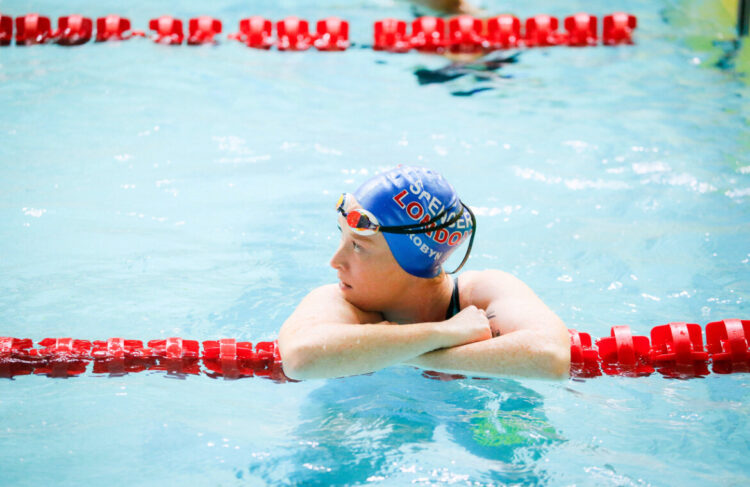
I started swimming competitively when I was nine. I tried lots of different activities, but swimming was the one that stuck. Once I committed to it, it became very structured: school, training, competing, repeat. It’s incredibly time-intensive, but I was drawn to the discipline. You get used to repetition, to refining small details, and to showing up consistently, even when progress feels incremental, and those habits stay with you.
What did competitive swimming teach you that you still rely on today?
Swimming teaches you how to operate under pressure without distraction. When you’re racing, there’s no room for second-guessing. You trust your preparation and focus on execution.
It also gives you a real respect for small margins. Tiny adjustments in technique or timing can completely change the outcome, which makes you very conscious of detail. That mindset translates directly into legal work, where judgment often depends on nuance rather than absolutes.
Being in the water also forces me to switch off. You can’t multitask in a pool, your focus can only be on one thing. That clarity is difficult to replicate elsewhere, and it’s something I value enormously in a role where attention and precision are critical.
You still swim and compete today. What role does it play now?
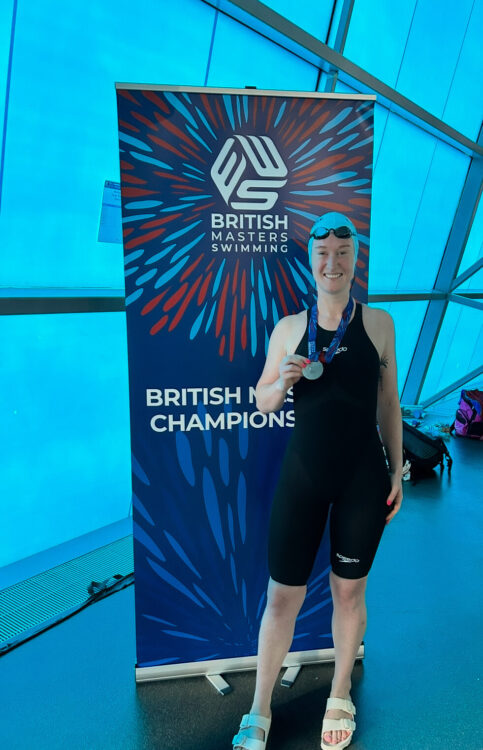
It’s more balanced now, but it’s still a non-negotiable for me. I train with a Masters swimming club a few times a week and compete occasionally, usually at nationals and one or two other events each year.
Swimming contributes to every part of my life: my mental health, physical health, and social life. Many of my closest friendships come from swimming. When you train and compete together for years, those relationships form naturally and last longer.
Are there particular moments from your competitive career that stand out?
The Youth Commonwealth Games in India in 2008 was the biggest event I took part in and was a defining experience. I was competing for Guernsey and reached the final of the 200-metre butterfly, which was my main event, finishing sixth. In the same event, I have held a British Masters National record since 2017, which is still standing. Neither result was something I expected, and that experience reinforced the importance of staying focused on process rather than outcome.
Those moments teach you how to stay calm in high-pressure environments and trust your preparation, lessons that are just as relevant in legal decision-making as they are in sport.
Diving feels like a natural extension of that relationship with water.
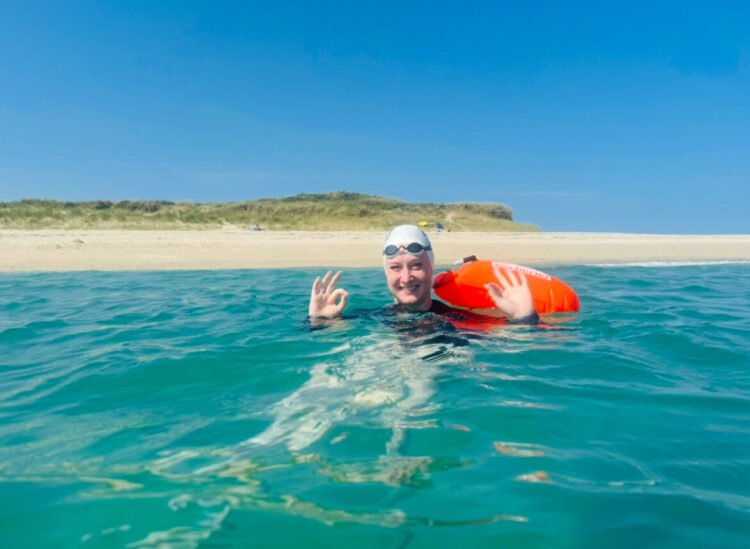
It is. I’ve been scuba diving for about ten years, and more recently learned to free dive. This has felt like a natural progression from swimming. I’m a certified PADI rescue diver and currently working towards my Divemaster qualification.

Scuba and free diving require you to slow everything down. You’re constantly assessing risk, monitoring your surroundings, and making small, deliberate decisions. Staying calm is essential – you need to know when to push forward and when to stop.
That awareness and restraint mirror how I approach complex legal matters. It’s about understanding the environment you’re operating in and making considered decisions rather than reactive ones.
Listening to dance music is the third thing you don’t compromise on. How does that fit into everything else?
I grew up around music. My dad was in a band when he was younger, so there were always records and instruments around at home. That definitely shaped what I listened to, and overtime my taste evolved into all forms of dance music: particularly electronic dance music, house, drum and bass and techno.
What I love about dance music is how it connects people. There’s something very human about it – there are studies about how certain BPMs can sync people’s heart rates and movements, which is why people often feel such a connection to the music when they’re on a dance floor. Everyone moves together without thinking about it, and I think it’s such a pure form of human connection.
Smaller, more intimate events amplify that feeling. Everyone is there for the same reason, and there’s no pressure to perform or conform. It’s another space where I can be fully present, which is increasingly important in a very demanding professional environment.
You also make a point of staying connected to Guernsey. Why is that important?
I’ve always been comfortable moving between different environments. I enjoy the energy of London, but I also need time away to reset.
Going back to Guernsey regularly keeps me grounded. It’s a reminder of where I come from and gives me perspective. I often work from there when I can, which allows me to stay connected without stepping away from my responsibilities.
Looking across everything you’ve talked about, what’s the common thread?
Connection. Whether it’s being in the water, returning home, or finding a community through dance music, they’re all ways of staying connected – to myself, to others, and to the environments that allow me to think clearly.
Over time, I’ve learned that maintaining that connection isn’t optional. It’s what allows me to perform well, make sound judgments, and stay composed when it matters most.
Share article:
Stay up-to-date
Sign up for the latest news, research and events from Zodia.

Get in touch
Our friendly team is always here to chat